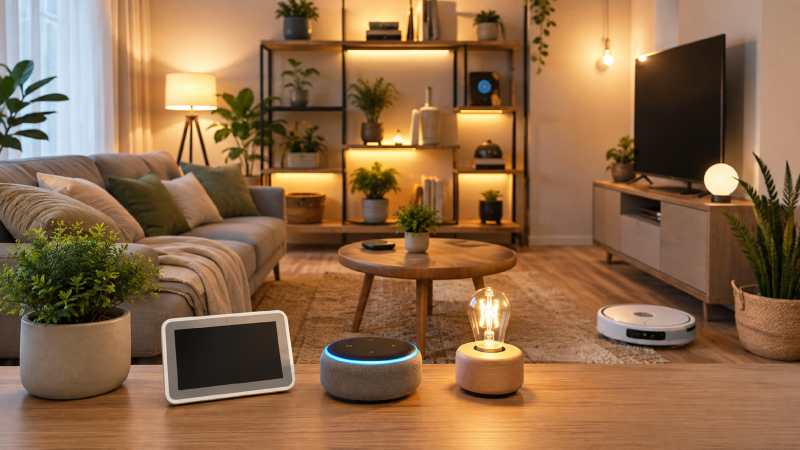
Creating a comfortable and attractive home does not always require expensive renovations, complicated technology, or professional design services. In many cases, small changes can improve how a home looks, feels, and functions. From better organization and lighting to smart devices and practical storage solutions, thoughtful improvements can make everyday living easier.
This guide explores practical decoradtech home hacks that combine home décor, organization, technology, and simple improvement ideas. The focus is on realistic solutions that can work in different types of homes, whether you live in a small apartment, a family house, or a modern property.
Why Simple Home Improvements Matter
A home should support the way you live every day. When rooms are cluttered, poorly organized, or difficult to use, even a beautiful space can feel uncomfortable. Fortunately, improving a home does not always mean starting a major remodeling project.
Small adjustments can have a noticeable effect. Rearranging furniture can create better movement through a room, while improved lighting can make a space feel warmer and more inviting. Adding useful storage can reduce clutter, and smart devices can simplify everyday tasks.
The best improvements are often those that solve a specific problem. Instead of buying something simply because it looks modern, consider whether it will make your home more functional. This approach can help you spend money wisely while gradually creating a better living environment.
Start With Better Organization
One of the easiest ways to improve a home is to organize the things you already own. Clutter can make rooms appear smaller and can make daily activities more difficult.
Begin by identifying areas where items regularly accumulate. Entryways, kitchen counters, bedside tables, desks, and bathroom cabinets are common problem areas. Use baskets, shelves, drawer organizers, and storage boxes to give frequently used items a designated place.
Another useful approach is to organize belongings according to frequency of use. Items used every day should remain easily accessible, while seasonal or rarely used possessions can be stored in less convenient areas.
Before purchasing new storage products, measure the available space. Choosing storage that fits properly helps prevent another source of clutter.
Improve Lighting for a Better Atmosphere
Lighting can dramatically influence the appearance and mood of a room. A space with only one bright ceiling light may feel less comfortable than a room with several layers of lighting.
Consider combining general, task, and accent lighting. General lighting provides overall illumination, task lighting supports activities such as reading or cooking, and accent lighting can highlight artwork, shelves, architectural features, or decorative objects.
Natural light should also be used whenever possible. Clean your windows regularly and keep large furniture or objects away from them to allow more natural light into the room. Lightweight curtains can provide privacy while still allowing daylight to enter.
For evening use, warm-toned bulbs can create a relaxed atmosphere in living rooms and bedrooms, while brighter lighting may be more suitable for workspaces and kitchens.
Make Better Use of Small Spaces
Small homes can be comfortable when every area is used thoughtfully. One of the most practical decoradtech home hacks is to look for unused vertical and hidden spaces.
Walls can provide valuable storage without taking up floor space. Floating shelves, wall-mounted organizers, and hooks can help keep frequently used items accessible. The space beneath beds or sofas can also be useful for storing seasonal belongings.
Furniture can serve more than one purpose. A storage ottoman, foldable desk, or bed with built-in drawers can provide functionality without requiring additional floor space.
Mirrors are another useful design element. When positioned thoughtfully, they can reflect light and create the impression of a more open room. However, adding too many decorative items can have the opposite effect, so balance is important.
Create a More Functional Kitchen
The kitchen is one of the busiest areas in many homes, so organization can make a significant difference. Start by grouping similar items together. Cooking utensils, food preparation tools, spices, and dishes should have logical storage locations.
Keep frequently used items within easy reach. Less frequently used appliances can be moved to cabinets or storage areas to free up valuable counter space.
Drawer organizers can keep utensils neatly separated and make them easier to find and access. Shelf risers can create additional levels inside cabinets, while labeled containers can make pantry organization easier.
Another practical improvement is to maintain a clear food preparation area. A clean, open section of counter space can make cooking more comfortable and reduce unnecessary movement.
Use Smart Devices Where They Add Value
Smart-home technology can be useful, but adding technology to every part of a home is not necessary. The best approach is to choose devices that solve genuine problems.
Smart bulbs can provide convenient lighting control, while smart plugs can help automate compatible appliances. Smart thermostats may help manage heating and cooling, depending on the home and local climate. Other devices can provide reminders, monitoring, or additional convenience.
Before purchasing a smart device, check its compatibility with your existing equipment and home network. It is also important to understand what information a device collects and how its manufacturer handles privacy and security.
Technology should make your routine easier rather than create unnecessary complexity. A small number of useful devices can often provide more value than a large collection of gadgets that rarely get used.
Make Your Entryway More Practical
The entryway is often the first area people see when entering a home, but it is also one of the easiest places to develop clutter. Shoes, bags, keys, mail, and coats can quickly accumulate.
A simple storage system can solve much of this problem. Hooks can hold frequently used bags or coats, while a small tray can provide a consistent place for keys. A shoe rack or closed cabinet can keep footwear organized.
If the entryway is small, choose slim furniture and wall-mounted solutions. Avoid filling the area with unnecessary decorations. A clean and organized entrance can make the entire home feel more orderly.
Refresh Your Décor Without Major Renovations
Changing a room does not necessarily require new flooring, expensive furniture, or structural work. Small decorative updates can provide a fresh appearance.
Consider changing cushions, throws, curtains, artwork, rugs, or other accessories. Rearranging furniture can also create a different visual layout without spending money.
When updating décor, select a consistent color and material approach. Too many unrelated patterns, finishes, and decorative objects can make a room feel visually busy.
Plants can also bring natural character to indoor spaces. Choose varieties that are appropriate for your lighting conditions and remember that different plants have different care requirements.
Reduce Everyday Energy Waste
Home improvements can also focus on efficiency. Simple habits and equipment choices may help reduce unnecessary energy consumption.
Turn off lights and electronics when they are not needed, and consider using energy-efficient lighting. Check doors and windows for drafts if your home is heated or cooled regularly. Properly maintained appliances can also operate more effectively.
Smart plugs and timers may help automate certain routines, but they should be used appropriately and according to manufacturer instructions.
Efficiency is not only about reducing utility costs. It can also make a home easier to manage and encourage more thoughtful use of household resources.
Build a Simple Cleaning Routine
A clean home is easier to maintain when cleaning is treated as a regular routine rather than an occasional large task. Divide responsibilities into small activities that can be completed throughout the week.
For example, you might focus on surfaces one day, floors another day, and bathrooms on another. Frequently used areas may need more attention than rooms that receive little traffic.
Keep basic cleaning supplies organized and accessible. When supplies are difficult to find, cleaning can become unnecessarily time-consuming.
Decluttering also makes cleaning easier. Fewer unnecessary objects mean fewer surfaces and items that need to be moved or cleaned.
Choose Improvements Based on Your Lifestyle
Not every home needs the same solutions. A family with children may prioritize durable furniture and easy storage, while someone working from home may benefit more from an organized workspace and better lighting.
Think about the problems you experience most often. If you regularly lose keys, create a dedicated storage point near the entrance. If your kitchen counters are always crowded, improve cabinet and drawer organization. If your workspace feels uncomfortable, reconsider its lighting, chair, and desk arrangement.
These decoradtech home hacks work best when they are adapted to real needs rather than copied without considering the space and lifestyle of the people using it.
Avoid Common Home Improvement Mistakes
One common mistake is purchasing products before identifying the actual problem. A new organizer will not necessarily help if there is simply too much unnecessary stuff.
Another mistake is focusing entirely on appearance. A beautiful piece of furniture may not be practical if it makes movement difficult or provides little useful function.
It is also wise to avoid attempting complicated electrical, structural, plumbing, or other specialized work without appropriate knowledge. Some projects require qualified professionals for safety and compliance reasons.
Finally, avoid making too many changes at once. Improving one area at a time allows you to evaluate what works before investing further.
Create a Smarter Improvement Plan
A simple plan can make home upgrades more manageable. Start by walking through each room and identifying three things you would most like to improve.
Rank those improvements based on usefulness, cost, and difficulty. Begin with inexpensive changes that can provide immediate benefits. Once those are complete, move toward larger projects if they are still necessary.
Take measurements before buying furniture or storage products, research devices before purchasing them, and compare different options carefully.
This method keeps improvements organized and can prevent unnecessary spending. It also makes it easier to see progress over time.
Final Thoughts
A better home is not necessarily the one with the most expensive furniture or the latest technology. It is a space that works well for the people who live there.
Practical organization, thoughtful décor, effective lighting, useful storage, and carefully selected technology can all contribute to a more comfortable living environment. By focusing on genuine needs and making gradual changes, homeowners can improve their spaces without taking on unnecessary expense or complicated projects.
The most useful decoradtech home hacks are simple, adaptable, and focused on everyday convenience. Whether your goal is to reduce clutter, improve a small room, introduce smart technology, or simply make your home more pleasant, small improvements can build into meaningful results over time.