
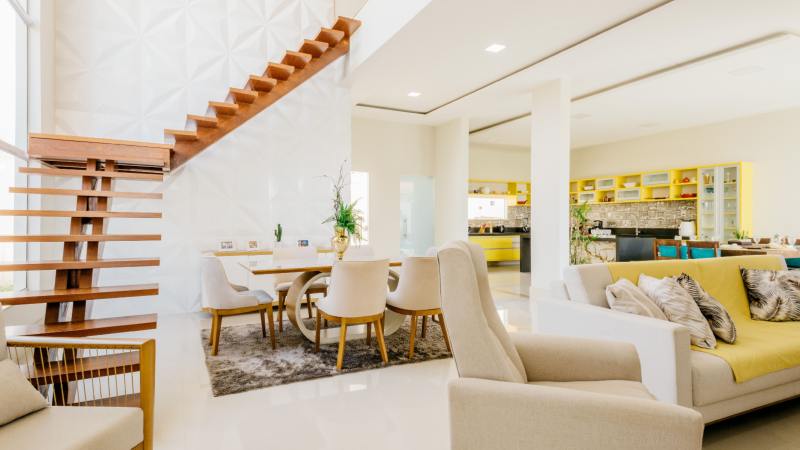
Enhancing your home can be achieved without spending heavily on renovations or undertaking extensive construction work. Small, thoughtful changes can make rooms more comfortable, organized, attractive, and practical. Whether you live in a small apartment or a large family house, the right improvements can help you make better use of your available space.
Effective home improvement starts with identifying your needs and priorities. Some homeowners want to refresh outdated interiors, while others need additional storage, better lighting, or more comfortable furniture. The best results come from choosing improvements that solve everyday problems instead of spending money on unnecessary changes.
Following decoradhouse upgrade tips by decoratoradvice can help homeowners approach improvements with a clear plan. By setting priorities, managing costs, choosing suitable materials, and paying attention to details, you can gradually create a home that feels more welcoming and functional.
1. Start With a Clear Home Improvement Plan
Before purchasing furniture, paint, or decorative accessories, take time to examine your home. Walk through each room and identify areas that could benefit from improvement.
Look for problems such as cluttered surfaces, uncomfortable furniture arrangements, insufficient lighting, damaged fixtures, or unused spaces. Write down your observations and decide which changes would make the greatest difference.
Separate essential repairs from optional improvements. Issues involving leaks, damaged electrical components, or structural concerns should receive attention before decorative projects.
Next, choose a manageable starting point. Improving one room at a time can make the process easier to organize and help you understand the costs involved before moving to another area.
A clear plan also prevents impulsive purchases. When you know what a room needs, it becomes easier to select useful products and avoid buying items that do not fit your design or lifestyle.
2. Set a Budget That Matches Your Needs
A realistic budget helps you control spending and make informed decisions. Before beginning a project, determine how much money you can comfortably allocate to improvements.
List the expected expenses, including materials, tools, labor, delivery, and installation. If you are working with contractors, compare written quotations and check exactly which services are included.
It is wise to keep some money available for unexpected expenses. Older homes may have hidden problems that become visible during repairs, and additional work can increase the original estimate.
You can save money by refreshing existing features instead of replacing everything. For example, repainting a suitable cabinet, repairing a table, or changing old handles may improve its appearance at a lower cost than buying a replacement.
However, avoid choosing products based entirely on price. Consider durability, maintenance, safety, and expected lifespan. A practical purchase should provide lasting value rather than require frequent repairs or replacement.
3. Improve Lighting in Every Room
Lighting affects the atmosphere, usability, and appearance of a home. A room with poor illumination may feel uncomfortable, while suitable lighting can make everyday activities easier.
Begin by making better use of natural daylight. Keep windows clean and arrange furniture so that it does not unnecessarily obstruct the light entering the room. Choose curtains that provide privacy while allowing an appropriate amount of daylight through.
Choose artificial lighting based on the function and needs of each room. Kitchens benefit from clear illumination around work surfaces, while bedrooms may need softer bedside lights for relaxation.
Living rooms can combine ceiling lights with floor lamps or table lamps. This arrangement allows you to adjust the lighting to suit various activities, such as reading, hosting guests, or watching television.
When selecting bulbs, consider brightness, energy consumption, and color temperature. Warm lighting often creates a relaxed atmosphere, whereas cooler lighting may be useful for detailed tasks.
Before installing new fixtures, check compatibility and follow appropriate electrical safety requirements.
4. Refresh Walls With Suitable Colors
Changing wall colors can transform the appearance of a room without requiring a complete renovation. The right shade can complement furniture, improve visual balance, and create a more comfortable atmosphere.
Begin by considering the room’s size, natural light, flooring, and existing furnishings. Light neutral colors can help a small room feel more open, while deeper shades may create a cozy appearance in larger spaces.
You do not need to repaint every wall. An accent wall can introduce contrast and personality while keeping the project manageable.
Wall decorations can also make a difference. Carefully arranged artwork, photographs, mirrors, and shelves can add character without overcrowding the room.
Before buying paint for an entire room, test a sample on a small section of the wall. Observe how it looks during the day and under artificial lighting. Testing the paint beforehand helps ensure you are satisfied with the color before applying it to the entire wall.
Choose finishes according to the room’s requirements, and prepare the surface properly before painting to achieve a cleaner result.
5. Organize Storage to Reduce Clutter
A home can feel crowded when belongings do not have designated places. Better storage makes rooms easier to maintain and helps household activities run more smoothly.
Examine your cabinets, drawers, shelves, and commonly used surfaces to identify areas that need better organization. Remove items that are no longer useful, and group the remaining belongings according to their purpose.
Use vertical space where appropriate. Wall shelves, hooks, and tall cabinets can provide additional storage without taking up too much floor area.
In bedrooms, storage boxes and wardrobe organizers can help separate clothing, accessories, and seasonal items. In the kitchen, drawer dividers and shelf organizers help keep utensils and cooking tools neatly arranged and easy to access.
Entryways can benefit from shoe racks, coat hooks, and small containers for keys or other everyday essentials.
The aim is not to hide every possession. Good organization keeps necessary items accessible while reducing unnecessary clutter.
6. Choose Furniture That Fits Your Space
Furniture should make a room comfortable and functional rather than restrict movement. Before purchasing a new item, measure the room and consider how people will move around it.
Large furniture may overwhelm a small space, while undersized pieces can make a large room feel poorly arranged. Maintain clear pathways and allow enough room for doors, drawers, and cabinets to open.
Consider multifunctional furniture when space is limited. Storage beds, extendable dining tables, folding desks, and compact seating can support different activities without requiring additional furniture.
You can also improve the appearance of existing furniture. Cleaning, restoring the finish, repairing damage, or replacing handles can refresh furniture affordably.
When purchasing new furniture, consider its build quality, comfort, material strength, and ease of maintenance. Furniture should suit your daily routine as well as your preferred interior style.
7. Make the Kitchen More Practical
The kitchen is one of the busiest areas of a home, so small improvements can have a noticeable effect on daily convenience.
Start by arranging frequently used cooking utensils, plates, and ingredients within easy reach. Move rarely used appliances to suitable storage areas to keep preparation surfaces clear.
Cabinet organizers, pull-out shelves, and properly arranged drawers can improve access to kitchen equipment. If the cabinets are in good condition, updating their handles or applying a fresh finish can give them a renewed appearance.
Lighting is also important. Suitable illumination above preparation areas can make cooking easier and help you see clearly while handling ingredients.
When considering new appliances, measure the available space and review capacity, energy consumption, maintenance needs, and installation requirements.
Avoid making changes simply because a particular kitchen design is fashionable. Choose features that match your cooking habits, available space, and budget.
8. Create a More Comfortable Bedroom
A bedroom should provide a peaceful environment that encourages relaxation, privacy, and quality rest. Improvements should therefore focus on comfort, convenient storage, and a peaceful atmosphere.
Start by arranging the bed and other large furniture to allow easy movement. Keep frequently used items accessible without filling every available surface.
Choose bedding according to personal comfort and local weather conditions. Curtains or blinds can help manage daylight and privacy, while rugs may add warmth where appropriate.
Bedside lighting can provide a convenient alternative to bright overhead lights in the evening. Keep the room organized by giving clothing, accessories, and personal belongings a designated place to live.
Limit unnecessary decorations and remove items that make the space feel crowded. A simple arrangement can be both attractive and easier to clean.
These Decoradhouse upgrade tips by Decoratoradvice emphasize designing rooms around their intended purpose, helping homeowners make improvements that support everyday comfort.
9. Update the Bathroom With Practical Details
Bathroom improvements should focus on cleanliness, storage, ventilation, and safe use. You can refresh the bathroom without major renovations by updating old accessories and keeping toiletries neatly organized.
Use suitable shelves, cabinets, or baskets to keep personal care products organized. In a small bathroom, wall-mounted storage can free up valuable floor space.
Inspect visible plumbing connections, seals, and areas around the shower or bathtub for signs of leakage or deterioration. Address moisture problems before applying new decorative finishes.
Good ventilation is important because excessive humidity can contribute to moisture-related damage. Ensure that existing ventilation works properly and consider appropriate improvements if needed.
Choose materials and fixtures designed for bathroom conditions. For electrical or plumbing modifications, seek qualified professional assistance when necessary.
10. Add Technology Only When It Is Useful
Modern devices can improve convenience when they address a genuine household need. Devices such as smart lights, connected plugs, security systems, and temperature regulators can make managing household tasks more convenient.
Before purchasing a device, consider whether you will use its features regularly. Check compatibility with existing equipment, installation requirements, ongoing costs, and available security updates.
Connected devices should be configured carefully. Use strong passwords, review privacy settings, and install manufacturer-provided updates to help protect connected systems.
Technology is not essential in every room, and more devices do not automatically create a better home. Choose products that are straightforward to operate and provide clear practical benefits.
11. Maintain Your Home After Upgrading
Home improvements require regular care to remain useful and attractive. A maintenance routine can help identify small problems before they become more expensive.
Clean surfaces according to the manufacturer’s instructions and avoid using products that could damage paint, wood, stone, or other finishes.
Check visible plumbing, window seals, door fittings, and frequently used fixtures periodically. Replace worn components when necessary and arrange professional inspections for issues that require specialist knowledge.
Keep records of major repairs, purchases, and installation details. This information can be useful when replacement parts are needed or future improvements are planned.
Regular maintenance protects the value of your work and reduces the likelihood of having to repeat the same project sooner than expected.
Frequently Asked Questions
What is the easiest way to improve a home?
Start with decluttering, rearranging furniture, improving lighting, and organizing storage. These changes can make rooms more useful without requiring major construction.
How can I upgrade my home with a limited budget?
Prioritize essential repairs and choose affordable improvements that solve specific problems. Repainting selected areas, repairing furniture, changing cabinet handles, and using existing storage more effectively can help control expenses.
Should I renovate the entire house at once?
Not necessarily. Working on one room or project at a time can make budgeting easier and reduce disruption. Extensive renovations often need a well-organized plan when multiple rooms or home systems are affected.
How can I make a small room more functional?
Choose appropriately sized furniture, use vertical storage, keep pathways clear, and avoid unnecessary decorations. Good lighting and a practical layout can also improve usability.
Are smart-home devices worth purchasing?
They may be worthwhile when they provide a useful function, such as convenient lighting control or security monitoring. Compare costs, compatibility, privacy, and maintenance before buying.
How often should I inspect my home for maintenance problems?
A regular visual inspection is helpful, particularly after severe weather or when you notice unusual smells, moisture, cracks, or changes in how fixtures operate. Follow professional recommendations for specialized systems and inspections.
Conclusion
Improving a home is a gradual process that benefits from careful planning and practical decisions. Improved lighting, smart storage, functional furniture, updated finishes, and practical technology can enhance daily comfort without a complete home renovation.
The most effective decoradhouse upgrade tips by decoratoradvice focus on genuine household needs, sensible spending, and lasting functionality. Start with the changes that matter most, select materials carefully, and maintain completed improvements regularly.
By approaching each project with a clear purpose, you can create a home that feels more organized, attractive, comfortable, and suited to your lifestyle.