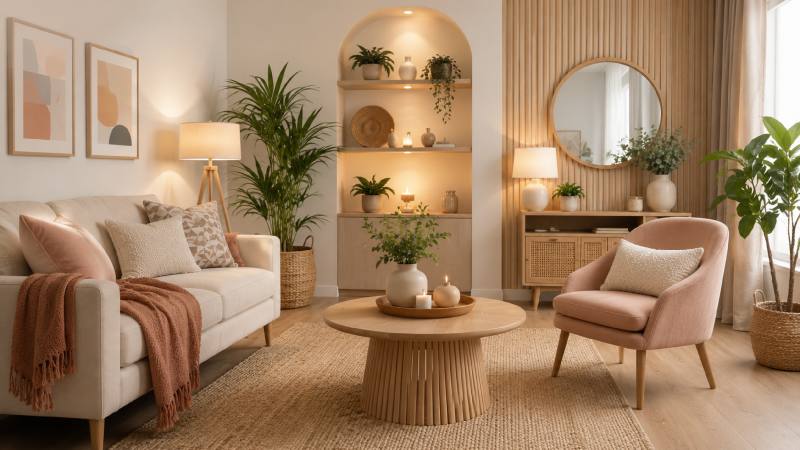
Decorating a home is an opportunity to create a space that feels comfortable, welcoming, and reflective of your personal taste. You do not need a large budget or expensive furniture to make a noticeable difference. With thoughtful planning, suitable colors, practical furniture, and a few decorative touches, almost any room can feel more attractive.
Good decoration is not only about making a room look beautiful. It is also about creating a space that works well for everyday life. The right arrangement can improve movement, reduce clutter, and make rooms feel more comfortable.
This guide explores practical decoration tips decoradhouse from decoratoradvice that can help homeowners refresh their spaces without making complicated changes.
Understand Your Space Before Decorating
Before purchasing anything, take some time to understand the room you want to decorate. Look at its size, shape, lighting, furniture, and existing colors. This simple step can prevent unnecessary purchases and help you create a more balanced design.
Measure the room and consider where doors, windows, electrical outlets, and heating or cooling equipment are located. These details can affect where furniture and decorative items should be placed.
It is also helpful to identify the main purpose of the room. A living room may need comfortable seating and space for conversation, while a bedroom should focus on relaxation. A home office may require practical storage and adequate lighting.
Once you understand how the room is used, decorating decisions become much easier.
Choose a Simple Color Scheme
Color has a strong influence on how a room feels. Light shades can make a small space appear more open, while darker colors can create a warmer and more intimate atmosphere.
You do not need to use many different colors. A simple combination of two or three main shades can create a clean and organized appearance. Neutral colors such as white, beige, cream, gray, or soft brown can provide a flexible foundation.
You can then introduce stronger colors through cushions, artwork, rugs, curtains, or other accessories. This makes it easier to update the room later without repainting or replacing large pieces of furniture.
When selecting colors, take into account how much natural light the room receives. A color that looks attractive in a bright showroom may appear very different in a darker home.
Arrange Furniture for Comfort
Furniture arrangement can completely change the appearance and functionality of a room. Instead of placing every piece against a wall, consider creating areas that encourage conversation and movement.
In a living room, arrange sofas and chairs so people can comfortably communicate. Leave enough space between furniture pieces to walk around without difficulty.
Avoid overcrowding the room. Large furniture can make a small space feel even smaller, while too many small pieces can make a large room look disorganized.
A useful approach is to select the largest furniture items first and then add smaller pieces around them. This creates a clear foundation for the rest of the decoration.
Make Natural Light a Feature
Natural light can make almost every room feel brighter and more welcoming. Whenever possible, allow daylight to enter freely through windows.
Avoid covering windows with heavy furniture or excessive decoration. Lightweight curtains can provide privacy while still allowing natural light to filter through.
Mirrors can also help distribute light around a room. Positioning a mirror opposite or near a window can reflect daylight and make the space appear brighter.
However, mirrors should be used thoughtfully. One large, well-positioned mirror may have a greater visual impact than several small mirrors placed without a clear purpose.
Add Layers of Lighting
A room should not depend entirely on a single ceiling light. Different types of lighting can create a more comfortable and flexible environment.
General lighting provides overall illumination. Table lamps and floor lamps can provide additional light for reading or relaxing. Accent lighting can draw attention to artwork, shelves, plants, or architectural features.
Warm lighting often works well in bedrooms and living rooms because it creates a relaxed atmosphere. Brighter lighting may be more useful in kitchens, workspaces, and areas where detailed tasks are performed.
When possible, use several light sources at different heights. This can create depth and make the room feel more visually interesting.
Use Decorative Accessories Carefully
Accessories can add personality to a room, but too many decorative objects can create visual clutter. Choose pieces that complement the room rather than filling every available surface.
Cushions, blankets, vases, artwork, books, candles, and small decorative objects can all contribute to a welcoming atmosphere.
Group similar items together instead of spreading them randomly throughout the room. For example, a small collection of objects can look more intentional when arranged on a shelf or coffee table.
Remember that empty space is also part of good design. Leaving some surfaces clear can make important decorative pieces stand out.
Bring Nature Indoors
Plants can add color, texture, and a natural feeling to indoor spaces. They can work well in living rooms, bedrooms, kitchens, bathrooms, and home offices, depending on the plant variety and available light.
If you are new to caring for plants, start with varieties that are suitable for your environment and require manageable levels of maintenance.
You can also use flowers, natural wood, woven baskets, or stone-inspired accessories to introduce natural textures without requiring extensive plant care.
The goal is not to turn your home into a garden but to add small natural elements that make the space feel more comfortable.
Create a Focal Point
Every room can benefit from having a clear focal point. This is the feature that naturally attracts attention when someone enters the space.
A focal point might be a fireplace, large window, artwork, attractive piece of furniture, or carefully decorated wall.
Once you identify the focal point, arrange other elements around it without competing for attention. This creates a sense of organization and makes the room easier to visually understand.
For example, a large artwork above a sofa can become the main feature of a living room. Smaller accessories can then support the overall design rather than overpowering it.
Improve Wall Decoration
Walls provide valuable opportunities for adding personality. Empty walls can sometimes make a room feel unfinished, but covering every wall with decorations can have the opposite effect.
Choose wall art based on the size of the room and the surrounding furniture. A large wall may work well with one substantial artwork or a carefully arranged gallery. Smaller walls may need only one or two simple pieces.
Shelves can combine decoration and storage. They can hold books, plants, photographs, and small objects while also helping organize the room.
Keep spacing consistent when arranging multiple pieces. A balanced arrangement generally looks more intentional than randomly positioned decorations.
Make Small Rooms Feel Larger
Small rooms require careful planning because every item occupies valuable space. Choose furniture that fits the room instead of selecting pieces solely because they look attractive.
Furniture with multiple functions can be particularly useful. Storage ottomans, beds with drawers, folding tables, and compact shelving can provide practical benefits without taking up unnecessary space.
Keeping floors and pathways clear can also make a room feel more spacious. Use vertical storage when possible to free up floor space.
Light colors, mirrors, natural light, and simple furniture arrangements can further contribute to an open appearance.
These decoration tips decoradhouse from decoratoradvice are especially useful when you want to refresh a smaller room without making major structural changes.
Decorate According to Your Lifestyle
A beautiful home should also be practical. Your decorating choices should reflect how you actually use each room.
If you have children or pets, choose durable materials and easy-to-clean surfaces. If you frequently entertain guests, prioritize comfortable seating and open areas for movement.
For people who work from home, a well-organized workspace with suitable lighting can be more valuable than additional decorative furniture.
Personal lifestyle should always influence decoration. A home that looks attractive but is difficult to maintain may quickly become frustrating.
Avoid Matching Everything
It can be tempting to buy furniture and accessories from the same collection so that everything matches perfectly. However, an overly coordinated room can sometimes feel artificial.
Instead, combine complementary colors, textures, and materials. Different pieces can create character while still maintaining a consistent overall appearance.
For example, wooden furniture can work well with fabric cushions, woven accessories, metal lighting, and soft rugs. The key is to create visual balance rather than exact matching.
This approach also gives you more flexibility when replacing or adding items in the future.
Keep Clutter Under Control
Even excellent decoration can lose its impact when a room becomes cluttered. Regular organization should therefore be part of your decorating routine.
Give frequently used items a designated place. Use baskets, cabinets, shelves, and drawers to keep belongings organized.
Before adding another decorative item, consider whether the room actually needs it. Sometimes removing a few unnecessary objects can make a greater difference than purchasing something new.
A clean and organized environment allows furniture, colors, artwork, and other decorative features to receive more attention.
Refresh Your Home Gradually
You do not need to decorate your entire home in one weekend. Making changes gradually can help you understand what works and avoid unnecessary spending.
Start with one room or even one area of a room. Rearrange the furniture, improve the lighting, remove clutter, and add a few carefully selected accessories.
After living with the changes for a while, you can decide whether additional improvements are necessary.
This gradual approach is particularly helpful when working with a limited budget because it allows you to prioritize the changes that have the greatest impact.
Budget-Friendly Decorating Ideas
Decorating does not have to be expensive. Reusing furniture in a different room, changing cushion covers, rearranging artwork, or adding plants can provide a fresh appearance at relatively low cost.
You can also refresh old furniture with suitable paint or new hardware when the material and condition allow it. Before starting any project, research the appropriate preparation and finishing methods.
Shopping carefully and comparing prices can help you stay within your budget. It is often better to buy one useful, high-quality item than several inexpensive products that do not serve a clear purpose.
Simple decoration tips decoradhouse from decoratoradvice can help you focus on practical improvements instead of unnecessary purchases.
Common Decorating Mistakes to Avoid
One common mistake is choosing furniture that is too large for the room. Always consider scale before purchasing major pieces.
Another mistake is poor lighting. Even attractive furniture and décor can look less appealing when the room is too dark or unevenly illuminated.
Using too many colors can also make a space feel chaotic. A consistent color palette usually creates a more relaxing appearance.
Finally, avoid following trends without considering your personal preferences. Trends can inspire, but your home should ultimately reflect your lifestyle and taste.
Frequently Asked Questions
What is the easiest way to improve a room?
Start by removing clutter and rearranging furniture. Better organization and improved lighting can create an immediate difference without requiring expensive purchases.
How many colors should I use when decorating?
There is no strict rule, but using two or three main colors can make it easier to create a balanced appearance. Additional shades can be introduced through small accessories.
How can I decorate a small room?
Choose appropriately sized furniture, keep pathways clear, use vertical storage, and take advantage of natural light. Mirrors and lighter colors can also help create a more open feeling.
Should every room have the same style?
Not necessarily. Different rooms can have their own character while sharing certain colors, materials, or design elements that create a sense of connection throughout the home.
How can I decorate on a limited budget?
Rearrange existing furniture, remove unnecessary items, update small accessories, add plants, and improve lighting. These changes can refresh a room without requiring major spending.
Final Thoughts
Good home decoration is about finding a balance between appearance, comfort, and practicality. You do not need expensive products or major renovations to create an attractive living environment.
Start by understanding your space, choosing a simple color scheme, arranging furniture carefully, improving lighting, and controlling clutter. Add personal touches gradually and select decorative items that genuinely contribute to the room.
The most effective decoration tips decoradhouse from decoratoradvice are those that fit your lifestyle, space, and budget. With patience and thoughtful choices, small improvements can transform ordinary rooms into comfortable and inviting spaces.