
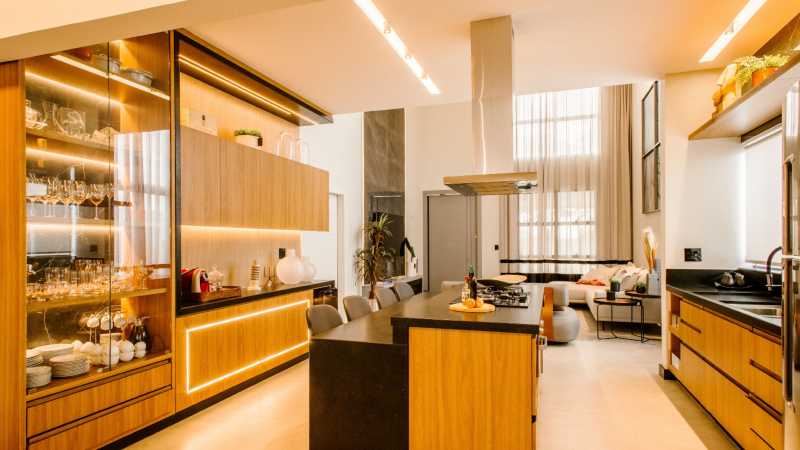
A comfortable home does not have to be completely redesigned to feel new. Sometimes, the most noticeable improvements come from changing how rooms are used, adding useful features, improving comfort, and removing things that no longer serve a purpose. A well-planned upgrade can make an ordinary living space more convenient without turning the project into an expensive renovation.
Modern homeowners have many options, from simple decorative adjustments to practical technology and energy-conscious improvements. The challenge is knowing where to begin and which changes are genuinely worthwhile. Instead of following every new interior trend, it is better to consider the needs of the household, the available space, and the amount that can reasonably be spent.
This guide explains Home Upgrading DecoradTech through practical ideas that combine home improvement, organization, design, and modern technology. The goal is to create spaces that look appealing while also supporting comfortable everyday living.
Understand What Your Home Needs
Every property has different strengths and weaknesses. A small apartment may need better storage, while a larger family home may benefit from improved room layouts or more efficient lighting.
Begin by spending time in each room and observing how the space is actually used. Notice areas where people regularly experience inconvenience. Perhaps a hallway becomes cluttered, a bedroom lacks suitable lighting, or a kitchen counter is constantly crowded.
Make notes before purchasing anything. Think about questions such as:
- Which areas feel uncomfortable?
- Where does clutter accumulate?
- Which furniture is no longer useful?
- Are there rooms that receive too little light?
- Could technology make a daily task easier?
- Are there maintenance issues that should be addressed?
This simple review can prevent unnecessary purchases and help establish realistic priorities.
Improve the Layout Before Buying New Items
A room can sometimes feel completely different simply because its furniture has been rearranged. Before spending money on new pieces, experiment with the existing layout.
Create enough space for people to move naturally between doors, windows, seating areas, and frequently used furniture. Avoid placing large objects where they make pathways narrow or block natural light.
The living rooms, arrange seating around a clear purpose, such as conversation, entertainment, or relaxation. In bedrooms, make sure wardrobes and drawers can be opened comfortably. In work areas, position the desk so that lighting and movement are practical.
This approach is particularly useful for homeowners working with limited space because it improves functionality without requiring structural changes.
Give Your Home a More Personal Appearance
A home should express the personality and lifestyle of its residents instead of feeling like a staged showroom. Personal touches can make rooms feel warmer and more inviting.
Consider displaying meaningful photographs, artwork, books, plants, or decorative objects. However, avoid placing too many items together. A smaller collection of carefully selected pieces can have more visual impact than a crowded arrangement.
Textiles can also change the atmosphere of a room. Cushions, rugs, curtains, and throws can introduce texture and make a space feel more comfortable. When selecting these items, consider how their colors and patterns work with furniture that is already present.
Make Better Use of Natural Light
Natural daylight can influence how spacious and pleasant a room feels. Look at your windows first before investing in additional lighting.
Keep tall furniture away from windows so it does not obstruct natural daylight. Keep glass surfaces clean and choose window treatments that provide privacy without unnecessarily reducing the amount of sunlight entering the room.
Mirrors can also help distribute light visually. Placing one opposite or near a window can make a room appear brighter and more open.
For rooms that receive limited daylight, combine several artificial light sources rather than relying on one bright ceiling fixture. A combination of overhead, task, and accent lighting can create a more balanced environment.
Create More Useful Storage
Storage should be designed around how people actually live. Instead of adding cabinets everywhere, identify the belongings that need a permanent place and determine how often they are used.
Frequently used items should be easy to reach, while seasonal or rarely needed possessions can be stored in less accessible locations.
Vertical space is often overlooked. Tall shelving, wall-mounted cabinets, hooks, and hanging organizers can provide additional capacity without taking much floor area.
In a bedroom, for example, the space under a bed may be suitable for containers containing seasonal clothing. In a kitchen, wall-mounted rails can keep commonly used utensils accessible while leaving work surfaces clearer.
The purpose of storage is not simply to hide possessions. Good organization makes everyday tasks quicker and reduces visual clutter.
Introduce Technology With a Purpose
Technology can make a home more convenient, but adding devices simply because they are popular is not always useful. Start with a problem and then consider whether technology can provide a practical solution.
Smart bulbs can allow users to adjust lighting from a phone or compatible control system. Smart plugs may help manage selected appliances. Sensors can provide alerts for certain household conditions, while connected thermostats may offer greater control over heating or cooling where compatible systems are available.
Before buying connected products, check compatibility carefully. A device that works well in isolation may not integrate properly with other equipment already installed in the home.
Security should also be part of the decision. Use strong passwords, install available firmware updates, and review privacy settings. Read the manufacturer’s documentation so you understand what information a connected product requires and how its account or application operates.
Effective technology should simplify life rather than create another complicated system that needs constant attention.
Make the Kitchen Easier to Use
The kitchen often combines food preparation, storage, cleaning, and sometimes social activities. Small functional changes can therefore make a noticeable difference.
Start by reviewing the arrangement of everyday items. Plates, cooking utensils, glasses, and frequently used ingredients should be positioned where they are convenient to access.
Countertops should remain as clear as possible because excessive objects can reduce usable preparation space. Consider moving rarely used appliances into cabinets or another suitable storage location.
If cabinet doors or handles are damaged, replacing them may provide a visual refresh without replacing the entire unit. Under-cabinet lighting can also improve visibility around preparation areas.
When considering a new appliance, look beyond its appearance. Capacity, dimensions, energy use, cleaning requirements, warranty information, and compatibility with the available space are all relevant.
Make the Bedroom More Comfortable
The bedroom should support relaxation, so comfort should be a central consideration when making improvements.
Begin with the bed and its surrounding space. Ensure there is enough room to move comfortably and that frequently used items can be reached without difficulty.
Lighting should be adjustable according to different needs. Soft bedside lighting can be useful during the evening, while brighter illumination may be appropriate when cleaning or organizing the room.
Keep unnecessary electronics and clutter under control. A tidy environment can make the room feel calmer and easier to maintain.
Storage improvements can also have a significant effect. Organizing clothing according to frequency of use can make mornings easier and prevent wardrobes from becoming unnecessarily crowded.
Give the Bathroom Practical Attention
A bathroom does not always need expensive remodeling to feel cleaner and more functional. Start with condition and usability.
Check faucets, shower fittings, storage areas, lighting, ventilation, and surfaces. Replace worn accessories where necessary and keep frequently used toiletries organized.
Shelving can provide additional storage in rooms with limited floor space. Wall-mounted solutions are particularly useful when appropriate for the wall structure and installation requirements.
Ventilation deserves attention because bathrooms regularly experience moisture. Good airflow can help manage humidity and support the long-term condition of surfaces and fixtures.
For electrical, plumbing, waterproofing, or structural changes, use appropriately qualified professionals where necessary.
Improve Energy Use Around the Home
Home improvements can also focus on reducing unnecessary energy consumption. Begin with simple changes before considering expensive projects.
Replace inefficient light bulbs with suitable energy-saving alternatives. Turn off equipment that does not need to remain active and review appliances that consume significant amounts of electricity.
Doors and windows should also be checked for noticeable drafts. Depending on the property, sealing suitable gaps or improving insulation may help maintain a more stable indoor environment.
When replacing appliances, compare their energy information and operating requirements. A product with a suitable capacity and efficient operation may be more appropriate than choosing the largest available model.
The best approach is to consider the home’s actual conditions rather than assuming every energy-related upgrade will provide the same benefit.
Refresh Small Details for a Noticeable Change
Not every improvement needs to involve construction. Small details can have a surprisingly strong effect on a room.
Changing cabinet hardware, updating lampshades, replacing worn curtains, adding a rug, or introducing a few plants can alter the appearance without creating significant disruption.
Door hardware and switches can also become visually dated over time. Replacing worn or mismatched pieces can give rooms a more consistent appearance.
Another option is to rearrange decorative objects between rooms. A piece that feels out of place in one area may work better somewhere else.
These relatively simple changes demonstrate that Home Upgrading DecoradTech does not have to mean replacing everything. Careful selection and thoughtful use of existing resources can also produce meaningful results.
Think About Outdoor Living Spaces
Outdoor areas deserve attention when planning improvements. A balcony, patio, garden, or entrance can become a more useful extension of the home.
Start with cleaning and basic maintenance. Remove unnecessary items, repair visible damage, and keep plants appropriately maintained.
Comfortable outdoor seating can make a patio or balcony more useful. If space is limited, foldable or compact furniture can provide flexibility.
Lighting can improve the usability of an outdoor area after sunset. Choose products designed for outdoor conditions and install electrical equipment safely.
Plants can add natural character, but select varieties that are appropriate for the available sunlight, climate, and maintenance level.
Choose Improvements That Last
An attractive upgrade is less useful if it quickly becomes damaged, difficult to maintain, or unsuitable for everyday use.
When comparing products, consider construction quality, cleaning requirements, expected lifespan, replacement costs, and how well the item fits the household’s routine.
Durability is particularly important for frequently used furniture and fixtures. Spending slightly more on a reliable product can sometimes be more practical than repeatedly replacing cheaper alternatives.
Sensible purchasing also reduces unnecessary waste. Repairing a suitable item can sometimes be preferable to replacing it simply because its appearance has become less fashionable.
Create an Order for Your Projects
Trying to improve every room simultaneously can make a project difficult to control. A staged approach is usually easier.
Begin with repairs or issues that could cause further damage. Then address improvements that affect daily comfort and functionality. Decorative changes can follow once the practical work is under control.
For example, a homeowner might first improve a crowded entryway, then reorganize the kitchen, update bedroom lighting, and later refresh the living room.
Keeping a simple record of completed work, purchases, and future priorities can also make the process easier to manage.
A flexible plan allows priorities to change when household circumstances change.
Mistakes to Avoid During Home Improvements
Several common mistakes can make an upgrade more expensive or less useful.
One is buying furniture before measuring the room. Always check dimensions, doorways, stairways, and available floor space before placing an order.
Another mistake is choosing products entirely because they look attractive. Appearance matters, but comfort, safety, maintenance, and functionality should receive equal attention.
Ignoring the existing condition of a property can also cause problems. Cosmetic improvements should not hide issues involving leaks, electrical systems, structural damage, or other important repairs.
Finally, avoid attempting specialist work without suitable knowledge or qualifications. Professional help can be appropriate for jobs involving electricity, gas, structural modifications, or complex plumbing.
Build a Home That Supports Your Lifestyle
The purpose of improving a home is not to create a perfect space according to someone else’s standards. The most useful changes are those that support the routines and preferences of the people who live there.
A family may need flexible storage and durable furniture. Someone working from home may benefit from a dedicated workspace. A person with limited floor space may prioritize vertical organization and multipurpose furniture.
This lifestyle-based approach makes it easier to decide which improvements deserve attention and which can wait.
The strongest Home Upgrading DecoradTech strategy combines appearance with everyday usefulness. A beautiful room becomes much more valuable when it is also comfortable, organized, easy to maintain, and suitable for the people using it.
Frequently Asked Questions
What is a good first step when improving a home?
Begin by examining each room and identifying practical problems. Separate necessary repairs from optional decorative changes, then decide which improvements will provide the most useful results.
Can a home be improved without a major renovation?
Yes. Rearranging furniture, improving storage, changing lighting, refreshing selected surfaces, and updating small fixtures can noticeably change a home without extensive construction.
How should I choose smart-home products?
Start with a specific need rather than a particular device. Check compatibility, security features, privacy information, installation requirements, and ongoing costs before making a purchase.
How can I make a small room feel more usable?
Reduce unnecessary furniture, use vertical storage, keep pathways clear, and select appropriately sized pieces. Good lighting and carefully positioned mirrors may also improve the visual sense of space.
Is it better to improve one room at a time?
Working on one area at a time can make budgeting, organization, and decision-making easier. It also reduces disruption and allows you to evaluate whether an improvement actually solves the intended problem.
Conclusion
Home improvement does not have to be defined by expensive renovations or dramatic transformations. A well-planned combination of organization, comfort, design, maintenance, and technology can make a property more useful and enjoyable.
The most important step is to understand what your home and household actually need. From there, prioritize practical changes, choose products carefully, and avoid spending money simply to follow temporary trends.
Home Upgrading DecoradTech can be approached as a gradual process in which small improvements build toward a better overall living environment. With thoughtful decisions and realistic planning, homeowners can create spaces that are comfortable, functional, attractive, and easier to maintain for years to come.