
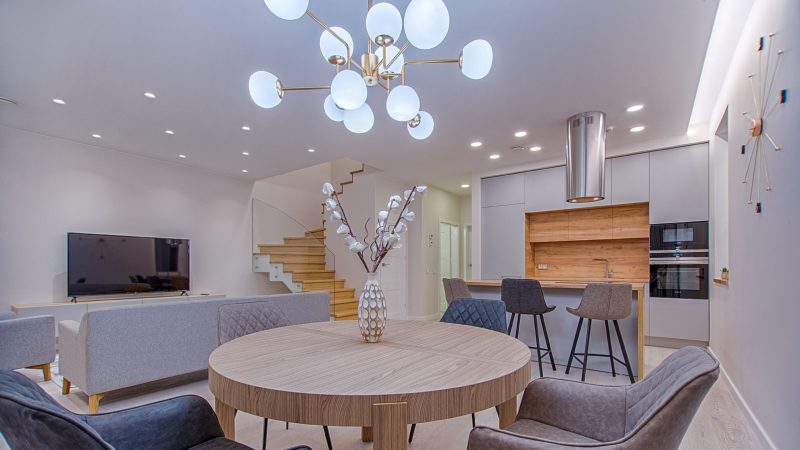
A well-designed home should offer more than an attractive appearance. It should provide comfort, support everyday activities, use available space efficiently, and adapt to the changing needs of its occupants. As lifestyles evolve, homeowners often discover that certain areas of their properties need improvement. Outdated fixtures, inefficient layouts, limited storage, and aging appliances can gradually affect the overall living experience.
Home improvements do not always require extensive construction or a complete interior redesign. Carefully selected changes can improve the usability, appearance, and efficiency of a property. From modern lighting and functional furniture to connected devices and energy-conscious solutions, there are many ways to create a more comfortable living environment.
Understanding which improvements deserve attention is essential before beginning any project. This article explores practical upgrades home decoradtech ideas, explaining how thoughtful planning, suitable materials, and modern solutions can contribute to a better home.
Understanding the Purpose of Modern Home Upgrades
Home upgrades involve improving existing features to make a property more suitable for current requirements. These changes may address appearance, convenience, safety, maintenance, or energy performance.
For example, replacing an outdated light fixture can improve visibility and refresh a room’s appearance. Installing additional shelving may make a small space easier to organize. Upgrading an inefficient appliance can also provide practical benefits over time.
The purpose should always be clear before work begins. Homeowners should identify the problem they want to solve and consider whether a proposed improvement will provide a lasting benefit.
A successful project combines visual appeal with everyday usefulness. Instead of selecting features simply because they are fashionable, choose improvements that suit the property’s layout and the household’s routines.
Plan Improvements According to Your Priorities
A clear plan helps prevent unnecessary purchases and poorly coordinated work. Before starting, inspect the property and identify areas that need attention.
It can be useful to separate potential projects into three categories:
- Essential work: Repairs involving leaks, damaged surfaces, electrical concerns, ventilation problems, or other maintenance issues.
- Functional improvements: Changes that make rooms easier to use, such as better storage, improved lighting, or more suitable furniture.
- Decorative updates: Changes involving paint, accessories, flooring finishes, and other visual details.
Address essential problems before concentrating on decoration. Covering damaged surfaces without resolving the underlying cause may lead to additional expenses later.
Once priorities are established, decide which projects can be completed independently and which require professional assistance. This creates a more organized approach and helps homeowners understand the time, materials, and expertise each task may require.
Improve Interior Lighting for Comfort and Visibility
Lighting influences how people experience different areas of a home. Poor illumination can make everyday activities difficult, while carefully planned lighting can improve visibility and create a comfortable atmosphere.
A practical lighting arrangement usually combines several types of illumination. General lighting provides overall brightness, task lighting supports activities such as reading or cooking, and accent lighting highlights selected architectural or decorative features.
Consider the function of each room when choosing fixtures. Kitchens and workspaces require sufficient light for detailed activities, whereas bedrooms and relaxation areas may benefit from softer, adjustable lighting.
Natural daylight should also be considered. Keep windows clear of unnecessary obstructions and select window coverings that provide suitable privacy without making rooms unnecessarily dark.
When purchasing lighting products, compare brightness, energy consumption, color temperature, and installation requirements. Selecting suitable fixtures can improve both the appearance and practical performance of a room.
Choose Furniture That Supports Daily Activities
Furniture should fit the dimensions of a room and support the activities performed there. An oversized sofa may restrict movement in a small living area, while an unsuitable desk may make working from home uncomfortable.
Before purchasing furniture, measure the available space. Include enough room for doors, drawers, and cabinets to open properly. Also consider the routes people use when moving between different parts of the room.
Multipurpose furniture can be useful in properties where space is limited. Storage beds, folding desks, extendable dining tables, and seating with concealed compartments can provide additional functionality without requiring more floor space.
Material quality deserves attention as well. Consider the strength of the frame, fabric durability, cleaning requirements, and expected maintenance. A suitable piece should remain practical after regular use rather than serving only as a decorative feature.
Make Better Use of Available Storage
Insufficient storage can affect the appearance and functionality of an otherwise well-designed home. When everyday possessions do not have designated places, countertops, tables, and floors can quickly become crowded.
An effective storage system begins with understanding what needs to be stored. Separate frequently used belongings from seasonal items and possessions that are rarely needed.
Built-in cabinets can provide organized storage in living rooms, bedrooms, and kitchens. Wall-mounted shelves are another option when floor space is limited. In smaller rooms, storage boxes and organizers can make existing cupboards more useful.
The arrangement should remain convenient. Frequently used products should be accessible, while less important belongings can be placed in higher or less accessible storage areas.
Good organization also makes cleaning and maintenance easier. When items have designated locations, it becomes simpler to keep rooms orderly and identify possessions that are no longer needed.
Introduce Smart Technology Carefully
Connected technology has created additional possibilities for managing household activities. Smart lighting, connected plugs, security cameras, sensors, and climate controls can offer different levels of automation and remote access.
However, not every household needs every available device. Begin by identifying a specific requirement. Someone who regularly forgets to switch off selected lights may find smart lighting useful, while another household may be more interested in monitoring entry points.
Compatibility is an important consideration. Check whether a device works with the existing network, operating system, and other connected products. Review installation instructions and determine whether additional equipment or subscriptions are required.
Privacy and security should also be considered before connecting devices. Use strong, unique passwords, enable available security features, and install software updates when provided by the manufacturer. Review device permissions and understand what information the product collects.
Technology should make household management more convenient. If a product introduces unnecessary complexity or ongoing costs, it may not be a suitable investment.
Update the Kitchen for Better Functionality
The kitchen is a frequently used space where organization and efficient movement are particularly important. Improving its layout can make food preparation, cleaning, and storage more convenient.
Start by examining the relationship between the refrigerator, sink, cooking area, and preparation surfaces. These areas should be arranged to support practical movement during everyday tasks.
Cabinet organizers, pull-out shelves, and properly arranged drawers can improve access to kitchen equipment. Frequently used utensils and cookware should be stored where they can be reached without difficulty.
Surface finishes should be selected according to durability and cleaning requirements. Kitchen materials regularly encounter heat, moisture, grease, and food spills, so their maintenance needs should be considered before installation.
If a complete renovation is outside the budget, smaller changes can still refresh the space. Updated cabinet handles, improved task lighting, repaired fixtures, and a more organized pantry can make the kitchen easier to use.
Create a More Relaxing Bathroom
Bathroom improvements should focus on hygiene, comfort, ventilation, and efficient use of space. Even a relatively small bathroom can feel more practical when its features are arranged carefully.
Consider installing suitable shelves or cabinets to organize toiletries and cleaning supplies. Wall-mounted storage can be useful where floor space is limited.
Lighting should provide clear visibility around mirrors and other frequently used areas. Choose fixtures designed for the bathroom environment and follow appropriate electrical safety requirements.
Moisture management is equally important. Regularly inspect seals, visible plumbing connections, and areas around showers or bathtubs. Appropriate ventilation can help control humidity and reduce the likelihood of moisture-related damage.
For complicated plumbing, waterproofing, or electrical work, consult a qualified professional rather than relying on temporary solutions.
Improve Energy Performance
Energy-conscious improvements can help households manage consumption and maintain a comfortable indoor environment. The most appropriate changes depend on the property’s construction, climate, and existing equipment.
Start by reviewing lighting and appliance usage. Replacing inefficient bulbs and choosing appropriately sized appliances may help reduce unnecessary electricity consumption.
Insulation and air leakage are also worth examining. Gaps around suitable door and window frames can allow conditioned air to escape. Depending on the building, appropriate sealing or insulation improvements may support more stable indoor temperatures.
When considering a major upgrade, compare the installation cost with expected operating expenses and maintenance requirements. Avoid assuming that every energy-saving product will produce the same results in every property.
A practical assessment can help identify improvements that match the building’s actual needs.
Refresh Exterior Areas and Entryways
The exterior contributes to the property’s overall appearance and should receive regular attention. A clean entrance, maintained pathways, and suitable outdoor lighting can make the surroundings more welcoming.
Inspect exterior surfaces for peeling paint, loose fittings, damaged steps, or signs of water penetration. Address maintenance concerns before adding decorative features.
Gardens, balconies, and patios can become more useful with suitable seating, weather-resistant materials, and plants selected for local growing conditions.
Outdoor furniture should be appropriate for exposure to sunlight, rain, and temperature changes. Lighting products must also be designed for outdoor use and installed according to safety requirements.
These improvements extend the home’s usable environment while helping maintain the condition of exterior features.
Select Materials With Durability in Mind
The materials used during an improvement project influence its appearance, maintenance requirements, and expected lifespan. Choosing products only because they are inexpensive or visually attractive can result in additional work later.
For flooring, consider foot traffic, moisture exposure, cleaning methods, and surface durability. For countertops, examine resistance to stains, heat, and everyday wear. Paint and wall finishes should be appropriate for the room in which they will be used.
It is also useful to compare manufacturer specifications, warranties, and installation instructions. Products that require specialized maintenance may not be suitable for every household.
Repairing reusable items and selecting long-lasting materials can also reduce unnecessary replacement. The objective is to make decisions that remain practical beyond the initial appearance of the finished project.
Establish a Realistic Budget and Timeline
Financial planning is an important part of any home improvement project. Begin by estimating the cost of materials, labor, transportation, equipment, and installation.
Request more than one quotation when hiring contractors. Compare the work included in each estimate rather than looking only at the final price. Confirm whether removal of old materials, cleanup, and finishing work are included.
Set aside an allowance for unexpected expenses, particularly when working with older properties. Opening walls, removing flooring, or replacing fixtures may reveal issues that were not visible during the initial inspection.
A realistic timeline should account for material delivery, preparation, installation, and any necessary inspections. Completing work in a sensible order can reduce disruption and prevent finished areas from being damaged by later projects.
Common Mistakes to Avoid
Poor planning can reduce the value of otherwise useful improvements. One frequent problem is purchasing materials before confirming measurements. Always check dimensions and installation requirements before placing an order.
Another mistake is focusing entirely on appearance while overlooking maintenance or safety. Decorative changes should not replace necessary repairs.
Homeowners should also avoid installing incompatible smart devices or choosing appliances without checking available space and electrical requirements.
Finally, attempting specialist work without appropriate experience can create safety risks and additional costs. Structural modifications, electrical installations, gas work, and complex plumbing should be handled by suitably qualified professionals.
Frequently Asked Questions
What home improvements should be considered first?
Begin with maintenance and safety concerns. After addressing those issues, consider improvements that make daily activities easier, including lighting, storage, ventilation, and furniture arrangements.
Are smart devices necessary for a modern home?
No. Smart devices are optional tools. Their value depends on whether they address a genuine household need and offer reliable operation, appropriate security, and reasonable ongoing costs.
How can I improve my home without a large budget?
Focus on reorganizing existing furniture, repairing worn features, improving lighting, reducing clutter, and making better use of available storage. These changes can improve functionality without requiring a major renovation.
How do I select durable home improvement materials?
Compare product specifications, expected lifespan, maintenance requirements, installation needs, and warranty coverage. Consider the conditions in which each material will be used.
Should I hire professionals for home upgrades?
Professional assistance is advisable for work involving structural changes, electrical systems, gas connections, and complex plumbing. Qualified contractors can help ensure that specialized work meets relevant safety requirements.
Conclusion
A comfortable and functional property develops through informed decisions rather than constant renovation. Improvements to lighting, storage, furniture, kitchens, bathrooms, technology, and exterior spaces can gradually make a home more suitable for everyday life.
The key is to understand household requirements, establish clear priorities, and choose materials and products that offer lasting practical value. Upgrades home decoradtech should reflect the property’s layout, available budget, and the people who use each space.
With careful planning and attention to quality, homeowners can create a living environment that combines comfort, convenience, efficient use of space, and a consistent appearance.