
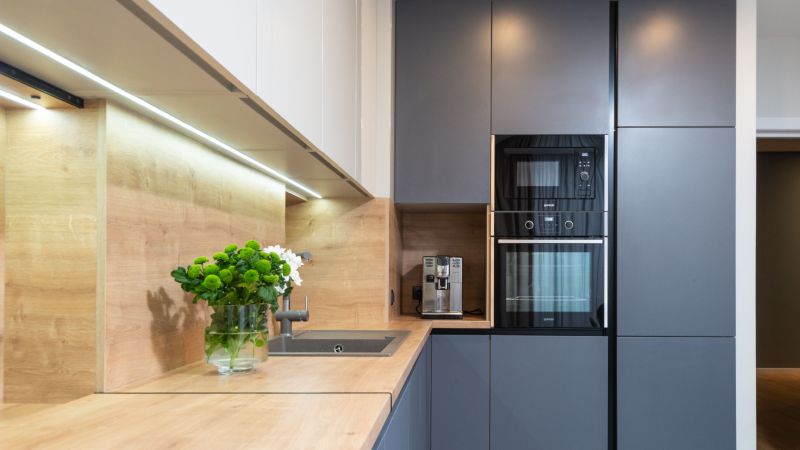
Modern homes increasingly rely on practical devices that improve comfort, convenience, safety, and energy efficiency. From smart lighting and climate controls to kitchen appliances and home security systems, the right equipment can simplify everyday tasks and make living spaces more functional. However, choosing suitable devices requires careful planning, an understanding of household needs, and consideration of long-term costs.
Home device decoradtech focuses on the practical role of home devices in modern living, including how to select useful technology, organize connected equipment, improve efficiency, and maintain a comfortable home. By understanding the available options and their benefits, homeowners can make informed decisions without spending unnecessarily on features they may never use.
1. Understanding the Role of Modern Home Devices
Home devices include the appliances, electronic equipment, and connected technologies people use to manage everyday household activities. Some devices perform essential tasks, such as refrigerators, washing machines, and cooking appliances. Others provide additional convenience through automation, remote access, monitoring, or energy management.
Modern home technology can serve several purposes:
- Convenience: Devices can reduce repetitive tasks and simplify daily routines.
- Comfort: Climate controls, fans, lighting systems, and other equipment help create a pleasant indoor environment.
- Safety: Smoke detectors, security cameras, and smart locks can support household protection.
- Efficiency: Energy-conscious appliances and automated controls may help reduce unnecessary electricity consumption.
- Accessibility: Voice controls and automated functions can make household equipment easier to operate for some people.
The most useful devices are those that solve genuine problems. A household does not need every available smart product to benefit from modern technology. Instead, homeowners should identify their priorities and select equipment that fits their lifestyle, budget, and living arrangements.
2. Identify Your Household Needs Before Buying
Before purchasing a new device, consider how it will improve your daily life. Advertisements may promote sophisticated features, but many households can meet their needs with simpler, more practical functions. A simple, reliable product may provide better value than an expensive model with complicated controls.
Evaluate Your Daily Routine
Start by identifying tasks that take considerable time, create inconvenience, or require frequent attention. For example, a programmable washing machine may help a busy household manage laundry, while smart lighting can make it easier to control lights in different rooms.
Think about the needs of everyone who will use the device. A product with complicated controls may not be suitable for a household that prefers straightforward operation. Similarly, a large appliance may be impractical in a small apartment with limited storage or floor space.
Set a Realistic Budget
Establish a spending limit before comparing products. Include more than the initial purchase price. Installation, accessories, replacement parts, electricity use, maintenance, and subscription fees can increase the total cost.
Prioritize devices that offer clear, measurable benefits. If a new appliance saves time, improves safety, or replaces an unreliable product, the investment may be worthwhile. However, replacing a functioning device simply to obtain a minor feature may not provide meaningful value.
Check Compatibility
Measure the available space and confirm that the device meets your household requirements. Check electrical ratings, power outlets, internet requirements, operating systems, and compatibility with any equipment you already own.
Careful preparation can prevent unnecessary purchases, installation difficulties, and avoidable returns.
3. Explore Essential Categories of Home Devices
Different types of devices support different household activities. Understanding their purposes helps homeowners decide which products deserve priority.
Smart Lighting Systems
Smart bulbs, switches, and lighting controls allow users to adjust brightness, create schedules, and, on compatible models, change color temperature. Some systems also support voice commands or remote operation through a mobile application.
These features can improve convenience and help households manage lighting more deliberately. For example, scheduled lighting can turn lights off automatically when they are not needed.
Before buying smart lighting, check whether the bulbs or switches match existing fixtures and wiring. Some systems require a separate hub, while others connect directly to a wireless network. Choose a setup that is easy to maintain and suitable for the home’s electrical system.
Climate Control Devices
Programmable thermostats, smart temperature controllers, fans, and air-conditioning systems can help maintain comfortable indoor conditions. Certain devices allow users to create schedules based on their routines.
To get the best results, consider room size, insulation, local climate, and equipment efficiency. A thermostat cannot compensate fully for poor insulation or an incorrectly sized heating or cooling system.
Regular maintenance also matters. Clean filters according to the manufacturer’s instructions, keep vents unobstructed, and arrange professional servicing when necessary.
Kitchen Appliances
Kitchen devices such as refrigerators, ovens, microwaves, blenders, dishwashers, and electric kettles support food preparation and storage. Some newer appliances include energy-monitoring features, automatic programs, or remote controls.
Choose kitchen equipment according to cooking habits, available space, capacity, and ease of cleaning. A compact appliance may be more appropriate for a small household, while families may benefit from larger-capacity equipment.
Prioritize reliable performance, practical safety features, and readily available replacement parts rather than choosing a product solely because it offers the most advanced technology.
Home Security Devices
Security equipment can include door and window sensors, video doorbells, cameras, motion detectors, and smart locks. Depending on the model, these devices may provide alerts, recorded footage, access logs, or remote monitoring.
Before installation, review the device’s storage options, account security, privacy settings, and ongoing costs. Cameras should be positioned responsibly to protect household privacy and avoid recording private areas belonging to neighbors.
Security devices can support a broader safety plan, but they should not be treated as a complete replacement for secure doors, suitable locks, smoke alarms, or other essential precautions.
4. Make Smart Home Technology Work Together
Connected devices can become more useful when they operate within a compatible system. For example, a smart lighting system may work with a voice assistant, while compatible sensors may trigger lights when someone enters a room.
However, compatibility should be confirmed before purchasing multiple products. Devices from different manufacturers may use different communication standards, applications, or account systems. Some may require a central hub or a particular internet connection.
Choose a Suitable Control Method
Home devices may be controlled through physical switches, mobile applications, voice assistants, remote controls, or automated schedules. The best option depends on the household’s preferences and technical comfort.
Physical controls remain valuable because they allow people to operate equipment even when a phone is unavailable. Voice controls may be convenient for certain tasks, while applications can provide more detailed settings.
A practical system offers reliable control of essential equipment whenever possible.
Build Your System Gradually
Avoid foqlzq c hzii rzd of connected products at once. Begin with one or two devices that address clear needs. Test their reliability, usability, and compatibility before expanding the system.
This gradual approach makes troubleshooting easier and helps prevent unnecessary spending. It also lets homeowners learn how connected equipment behaves before adding more complex automation.
5. Improve Energy Efficiency Through Better Device Choices
Household devices can contribute significantly to energy consumption. Choosing efficient products and using them correctly may help control electricity costs while reducing waste.
Compare Energy Information
When purchasing major appliances, review available energy labels, estimated consumption, capacity, and operating costs. Compare products with similar functions and sizes to make a fair assessment.
An appliance with a higher purchase price may cost less to operate over time, but the outcome depends on its actual efficiency, usage frequency, electricity rates, and expected lifespan. Consider these factors rather than assuming the most expensive product is automatically the most economical.
Use Scheduling and Automation Wisely
Timers and automated controls can help prevent lights, fans, and other compatible equipment from running unnecessarily. However, automation should reflect real household routines.
For example, scheduled lighting may be useful in regularly occupied rooms, while automated temperature controls can reduce unnecessary heating or cooling when conditions permit. Avoid using automation in ways that compromise comfort, ventilation, food safety, or other essential needs.
Reduce Standby Consumption
Some electronic devices continue to draw small amounts of power while waiting for commands or maintaining standby functions. Where practical, use appropriate power-management settings or switch off equipment that does not need to remain active.
Never disconnect devices that require continuous power for safety, refrigeration, medical needs, or essential monitoring. Follow manufacturer guidance when deciding which equipment can be switched off safely.
6. Protect Privacy and Digital Security
Connected devices can collect information about household activity, device usage, movement, or voice commands, depending on their design and settings. Understanding these practices is an important part of responsible home technology use.
Secure Device Accounts
Use strong, unique passwords for device accounts and enable multifactor authentication when available. Change default passwords, install official security updates, and remove accounts that no longer need access.
If a device allows several household members to control it, assign permissions carefully. Avoid sharing account credentials unnecessarily.
Review Data Collection Settings
Read the manufacturer’s privacy information before connecting a device to the internet. Check whether the product stores recordings, usage histories, camera footage, or other personal information. Review available options for disabling unnecessary collection, deleting stored data, or limiting access.
For cameras and voice-enabled products, consider where recordings are processed and who can view them. Place devices thoughtfully and communicate their use to household members and visitors where appropriate.
Maintain Your Home Network
Use a strong Wi-Fi password and keep the router’s software updated. If your router allows a dedicated network for smart devices, use it to separate them from computers and other devices containing sensitive information.
Only install applications from trusted sources. Be cautious about unexpected requests for personal information, payment details, or broad device permissions.
7. Install and Maintain Devices Correctly
Even a high-quality product may perform poorly if it is installed incorrectly or neglected. Proper installation and regular maintenance can improve reliability, extend service life, and reduce avoidable risks.
Follow Manufacturer Instructions
Read the installation guide before setting up a new device. Check ventilation requirements, recommended clearances, load limits, water connections, and electrical specifications.
Electrical wiring, gas connections, structural changes, and other potentially hazardous tasks should be handled by qualified professionals when required. Do not attempt repairs beyond your skills or use equipment that has damaged cables, exposed wiring, or signs of overheating.
Create a Simple Maintenance Schedule
Different devices need different types of care. A practical maintenance routine may include:
- Cleaning appliance filters and vents as recommended.
- Checking batteries in compatible sensors and alarms.
- Installing firmware and software updates.
- Check power cables and plugs regularly for signs of wear, damage, or deterioration.
- Removing dust from equipment according to manufacturer guidance.
- Testing safety devices at the intervals specified by the manufacturer.
Keep receipts, warranty details, manuals, and service records in one place. These documents can help when troubleshooting problems or arranging repairs.
8. Avoid Common Home Device Buying Mistakes
A thoughtful buying process can prevent wasted money and frustrating installations.
Buying features you do not need: Focus on the problems a device will solve rather than the number of features it advertises.
Ignoring ongoing expenses: Check for subscriptions, replacement filters, batteries, accessories, and repair costs before committing to a purchase.
Overlooking compatibility: Confirm dimensions, connectivity, electrical requirements, and integration with existing equipment.
Choosing convenience over safety: Verify certifications and follow installation instructions. Avoid products with unclear specifications or unreliable support.
Ignoring long-term support: Check whether the manufacturer provides security updates, replacement parts, warranty service, and clear operating instructions.
Automating everything: Too many connected products can create unnecessary complexity. A smaller, well-planned setup is often easier to operate and maintain.
9. A Practical Guide to Planning Your Home Device Setup
A successful setup begins with a clear plan. Homeowners can use home device decoradtech as a guide to choosing practical upgrades that meet their needs instead of purchasing unnecessary technology.
Follow these steps to develop a suitable plan:
- Assess your home: Identify everyday difficulties, outdated appliances, safety concerns, and areas where energy use may be reduced.
- Rank your priorities: Address essential needs first, such as unreliable appliances, poor lighting, or missing safety equipment.
- Set a total budget: Include purchase costs, installation, accessories, maintenance, and any recurring fees.
- Research suitable products: Compare reliability, operating costs, compatibility, warranties, and user requirements.
- Install carefully: Follow product instructions and use qualified professionals for tasks that require specialist skills.
- Test the setup: Confirm that controls, schedules, alerts, and safety features work as expected.
- Review performance: After several weeks, assess whether each device provides the intended benefit.
This process helps homeowners make decisions based on practical results rather than trends alone.
10. Adapt Home Devices to Different Living Spaces
The best device choices depend on the size, layout, and purpose of a living space.
Small Apartments
Compact appliances, adjustable lighting, and space-saving equipment can be useful in smaller homes. Measure available areas carefully and avoid adding hubs, cables, or accessories that create clutter.
Family Homes
Families may benefit from durable appliances, programmable lighting, reliable network coverage, and carefully configured security systems. Choose controls that are easy for household members to understand and use.
Home Offices
A comfortable workspace may require suitable lighting, reliable internet equipment, power protection, and effective temperature control. Organize cables to reduce clutter and keep electronic equipment adequately ventilated.
Homes with Older Adults or Accessibility Needs
Easy-to-use controls, adequate lighting, clear pathways, and suitable safety alerts may support independence. Select equipment based on individual needs, and make sure essential functions remain accessible if a connected service or internet connection fails.
Frequently Asked Questions
What are home devices?
Home devices include appliances, electronic equipment, and connected technologies used for cooking, cleaning, lighting, climate control, security, communication, and other household activities.
Are smart home devices worth the investment?
They can be worthwhile when they solve a specific problem, save time, improve accessibility, support safety, or reduce unnecessary energy use. Their value depends on purchase costs, reliability, usage, and maintenance requirements.
How can I choose the right home device?
Identify your needs, set a budget, compare specifications and operating costs, confirm compatibility, and review warranty and support arrangements before purchasing.
Do all smart home devices need Wi-Fi?
No. Some devices work through Bluetooth, dedicated hubs, local controls, or other communication methods. However, remote access, cloud services, and certain automated features may require an internet connection.
How can I keep connected devices secure?
Use strong passwords, enable multifactor authentication when available, update software, review privacy settings, secure your home network, and limit access to trusted users.
Can home devices help reduce electricity bills?
Energy-efficient appliances, sensible schedules, and appropriate power-management settings may reduce consumption. Actual savings depend on the device, household habits, electricity rates, and how the equipment is used.
Conclusion
Modern home devices can make everyday life more convenient, comfortable, organized, and efficient when homeowners choose them carefully. The best approach is to begin with genuine household needs, establish a realistic budget, compare reliable products, and consider safety, privacy, compatibility, and long-term operating costs.
A thoughtful approach to home device decoradtech emphasizes useful technology rather than unnecessary complexity. By introducing devices gradually, maintaining them properly, and reviewing their performance over time, homeowners can create a practical living environment that supports their routines and adapts to changing needs.