
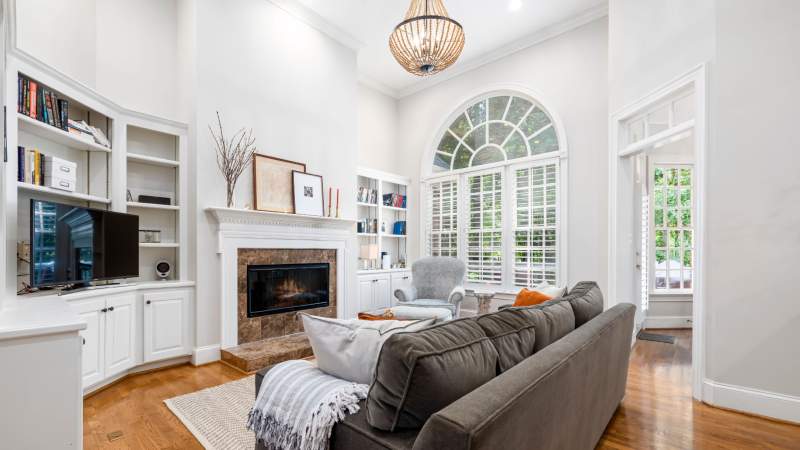
A well-designed home should be comfortable, organized, and suited to the needs of everyone who lives there. Whether you live in a small apartment or a spacious house, simple improvements can make your surroundings more attractive and functional. You do not always need expensive furniture or major renovations to create a welcoming environment.
Small changes, such as improving lighting, organizing storage, refreshing wall colors, and rearranging furniture, can make a noticeable difference. The best improvements are those that solve everyday problems while reflecting your personal style.
Coolideas thehometrotters com highlights practical home upgrades, creative decorating ideas, and budget-friendly ways to improve everyday living spaces. With thoughtful planning and a few manageable projects, homeowners can improve comfort, use available space wisely, and maintain a home that feels inviting throughout the year.
1. Plan Your Home Improvements Carefully
Before starting a home improvement project, identify the areas that need the most attention. Walk through each room and look for problems such as cluttered surfaces, insufficient lighting, limited storage, damaged fixtures, or outdated decorations.
Make a list of possible improvements and arrange them according to importance. Repairs and safety concerns should generally come before decorative changes. Once essential work is addressed, you can focus on upgrades that improve convenience and appearance.
Setting a budget is equally important. Set a realistic budget and compare prices for materials, tools, delivery, and installation before starting the project. Keeping some money aside for unexpected expenses can prevent financial pressure during a project.
Focusing on one area at a time can also make home improvement projects easier to manage. Completing a small project before starting another makes progress easier to measure and reduces unnecessary disruption.
A clear plan helps you avoid impulse purchases and focus on improvements that provide lasting value.
2. Refresh Your Living Room on a Budget
The living room is a shared space where families relax, welcome guests, watch television, and enjoy time together. Its design should provide enough space for movement while creating a comfortable atmosphere.
Start by reviewing the furniture arrangement. Arrange sofas and chairs to encourage conversation while keeping doorways and walkways clear for easy movement. If the room feels crowded, remove furniture that serves little purpose or move selected pieces to another area.
You can refresh the room without replacing expensive items. New cushion covers, curtains, rugs, and throws can introduce color and texture at a reasonable cost. Choose designs that complement your existing furniture rather than purchasing everything in a matching set.
Lighting can also transform the atmosphere. General ceiling lights provide overall illumination, while floor lamps and table lamps can create comfortable areas for reading or relaxing.
Wall decorations should add character without making the room feel busy. A few framed pictures, family photographs, or carefully selected accessories may be enough to create a personal touch.
Before buying new decorations, try rearranging items you already own. A cleaner layout and a little decluttering can make the living room feel refreshed without increasing your budget.
3. Make Small Rooms More Functional
Small rooms can feel comfortable and attractive when furniture, storage, and lighting are arranged thoughtfully. The goal is to use the available space efficiently without overcrowding it with unnecessary items.
Begin by removing unnecessary items from floors, tables, and shelves. Keeping surfaces relatively clear creates a more organized appearance and makes routine cleaning easier.
Furniture that serves more than one purpose is especially helpful in small homes. Storage beds, folding desks, nesting tables, and ottomans with hidden compartments provide useful functions without requiring additional space.
Vertical storage is another effective option. Wall shelves, hooks, and suitable cabinets can help organize belongings while leaving more floor area available. Secure shelves and heavy furniture properly to reduce the risk of accidents and injuries.
Mirrors may help reflect natural light and create a greater sense of depth. Lighter wall colors can create a spacious feel, while darker tones add depth when paired with appropriate lighting and furnishings.
Choose furniture according to the room’s dimensions. Oversized pieces can obstruct movement, while appropriately sized furniture helps create a balanced layout.
With careful organization, even a compact bedroom, living room, or home office can become practical and welcoming.
4. Choose Colors That Create a Balanced Look
Color significantly influences a home’s overall appearance, mood, and interior design. The right combination can connect different rooms and make furniture and decorative elements feel coordinated.
Neutral colors such as cream, beige, warm white, and soft gray provide versatile backgrounds. You can introduce stronger colors through artwork, cushions, rugs, curtains, or smaller decorative accessories.
Soft blues, gentle greens, and warm neutral shades can help create a peaceful and relaxing bedroom environment. Living rooms can benefit from earthy shades that complement wooden furniture and natural materials. Kitchens often look fresh with light colors and a few contrasting details.
Lighting affects how paint appears throughout the day. A color that looks attractive in a brightly lit store may appear different in your home. Test a small paint sample on the wall and observe it under both natural and artificial lighting before making a final decision.
You do not need to use the same color throughout the house. Instead, choose a consistent base palette and introduce variations that suit each room.
The goal is to create a comfortable environment that reflects your preferences rather than follow every passing decorating trend.
5. Improve Storage and Reduce Clutter
An organized home is easier to maintain and can make everyday activities less stressful. When belongings have designated places, finding essential items becomes quicker, and rooms are easier to clean.
Start with a small area, such as a kitchen drawer, wardrobe, or entryway shelf. Sort the items and separate those you use regularly from those that are no longer needed.
Give away items that are still useful, recycle what you can, and safely discard anything that is damaged beyond repair.
Storage baskets, drawer dividers, labeled containers, and shelves can help keep similar belongings together. Measure the available space before purchasing storage products to avoid wasting money on items that do not fit.
Store the kitchen tools you use most often close to where you prepare meals. In bedrooms, organize everyday clothing separately from seasonal items. Near the entrance, a small tray or wall hooks can provide convenient places for keys, bags, and coats.
Keep your organization methods simple and easy to maintain over time. Simple arrangements that match your daily habits are usually more effective.
Spending a few minutes tidying each day can prevent clutter from building up and make the entire home feel more manageable.
6. Create a More Practical Kitchen
A well-organized kitchen simplifies cooking, food preparation, and everyday cleaning tasks. Good organization, suitable lighting, and safe storage are more important than expensive finishes.
Arrange frequently used utensils, cookware, and dishes where they are easy to reach. Keep heavy items in accessible cupboards rather than high shelves, and avoid overcrowding work surfaces.
Keep frequently used appliances within easy reach and store those you use less often in cabinets or designated storage areas. Everyday equipment can remain accessible, while occasional-use appliances can be placed in suitable storage.
Lighting should provide clear visibility across preparation areas. General lighting illuminates the kitchen, while task lighting can reduce shadows on countertops. Electrical work near sinks and other potentially wet areas should meet applicable safety requirements and be completed by a qualified professional when needed.
Clean surfaces regularly and address leaking taps or damaged fixtures promptly. Keep cleaning products securely stored away from food and children’s reach.
If a complete kitchen renovation is too expensive, smaller improvements can still make a difference. Replacing worn cabinet handles, reorganizing cupboards, refreshing suitable surfaces, and improving lighting may enhance the kitchen without major construction.
A practical kitchen should support your cooking habits, household size, and available budget.
7. Make Your Bedroom Comfortable and Relaxing
A bedroom should offer a peaceful, comfortable space where you can relax and enjoy privacy. Its furniture, lighting, temperature, and organization can influence how pleasant the room feels.
Start with the bed. Suitable pillows, a comfortable mattress, and clean bedding can improve the sleeping environment without requiring expensive decorations.
Place everyday essentials nearby and keep the area around your bed tidy and free from unnecessary items. Bedside tables, small baskets, and wall shelves can help organize books, glasses, and other essentials.
Choose lighting that suits different activities. Softer bedside lighting may be useful in the evening, while brighter lighting helps with dressing and cleaning.
Curtains and blinds can provide privacy and help control outside light. If noise or excessive light disrupts sleep, consider practical ways to reduce these disturbances.
Decorative accessories should be selected with care. A favorite picture, a coordinated set of cushions, or a suitable plant can add personality without overcrowding the room.
Keep your bedroom tidy and comfortable by avoiding excess furniture. A simple layout creates a peaceful atmosphere and makes cleaning easier.
8. Add Natural Elements to Your Home
Natural materials add warmth, texture, and visual appeal to both indoor areas and outdoor living spaces. Plants, flowers, wooden accessories, and natural fabrics work with many decorating styles.
Houseplants can brighten a room, but their care requirements vary. Consider available sunlight, humidity, temperature, and your ability to maintain them. If children or pets live in the home, check whether a plant is safe before bringing it indoors.
Wooden furniture, woven baskets, cotton curtains, and linen cushions can add natural textures without requiring major changes. Combining a few different materials can create depth while keeping the design balanced.
Outdoor areas also deserve attention. A balcony, patio, or small garden can become more useful with suitable seating, plant containers, and weather-resistant accessories.
Select outdoor furniture that suits your space and can withstand the local weather conditions. Ensure that pots drain properly and that pathways remain clear.
You do not need a large garden to enjoy nature at home. Adding a few plants or natural accents can make your home feel warmer, fresher, and more welcoming.
9. Make Home Improvements More Sustainable
Sustainable home improvement involves using resources responsibly, reducing waste, and making choices that remain useful over time.
Before replacing furniture, consider whether it can be repaired, cleaned, refinished, or repurposed. A sturdy cabinet may need only new handles, while a wooden table could benefit from refinishing instead of replacement.
Energy efficiency is another practical consideration. Suitable energy-efficient light bulbs, well-maintained appliances, and effective draft sealing can help reduce unnecessary energy use. Heating and cooling upgrades should suit your home’s design and the climate in your area.
Repair leaking taps and consider water-saving fixtures where suitable. When purchasing appliances or furniture, compare durability, maintenance requirements, and long-term operating costs rather than focusing only on the initial price.
Coolideas thehometrotters com highlights practical home improvement ideas that combine style, functionality, and affordability. Reusing existing furniture and materials allows homeowners to refresh their spaces while keeping costs under control.
Sustainable choices do not need to be complicated. Consistent, small changes can help minimize waste and make your home more resource-efficient.
10. Maintain Your Home Throughout the Year
Regular maintenance helps protect a home’s appearance, comfort, and safety. Small problems are often easier and less expensive to address before they become serious.
Check for visible plumbing leaks, damaged window seals, peeling paint, and signs of moisture. Address water damage promptly because persistent dampness can damage building materials and encourage mold growth.
Clean gutters and drainage systems when it is safe to do so. Check smoke alarms and carbon monoxide alarms, where applicable, according to the manufacturer’s instructions.
Heating, cooling, and ventilation systems should receive appropriate maintenance. Electrical repairs, gas appliance servicing, structural changes, and other hazardous tasks should be handled by qualified professionals.
Seasonal checklists can help you organize responsibilities. Before colder weather, inspect suitable weatherproofing and insulation. During warmer months, check ventilation, window screens, and outdoor spaces.
Keep records of repairs, warranties, service appointments, and major purchases. These records can help with future planning and budgeting.
A consistent maintenance routine protects your investment and makes it easier to keep your home safe and comfortable.
Conclusion
Making your home better does not always mean spending a lot of money or undertaking major renovations. Simple adjustments to furniture, lighting, and storage can make a noticeable difference. Colors and maintenance can make everyday living more comfortable and convenient.
Begin by determining which areas of your home require the most improvement. Set a realistic budget, prioritize essential repairs, and complete projects at a manageable pace. Reusing existing belongings and choosing durable products can also help reduce unnecessary spending.
The ideas behind coolideas thehometrotters com emphasize practical ways to create an attractive, organized, and functional home. By combining careful planning with simple improvements, you can develop a living space that reflects your style, supports your needs, and remains enjoyable for years to come.